
In modern high-rise developments, waste management can no longer be treated as an invisible background function. As buildings grow taller and operational expectations rise, developers and facility managers need systems that are not only efficient, but also measurable and intelligent. That is where smart chute technology is changing the conversation, helping transform conventional waste routes into data-driven waste infrastructure that supports better building performance.
Traditional gravity chutes have long been an essential part of vertical buildings, allowing waste to move from upper floors to a central collection point quickly and conveniently. That convenience still matters, but modern buildings now demand more from every system they contain. Waste infrastructure is no longer judged only by whether it works in the background. It is increasingly valued for how well it supports safety, health and hygiene, convenience, and efficiency, especially in residential towers, hospitality properties, healthcare buildings, and mixed-use developments.
The real shift begins with visibility. In many conventional systems, waste moves through a building with very little operational insight until something goes wrong. A blockage, an odor issue, or a maintenance problem often becomes visible only after it starts affecting staff, residents, or service quality. Smarter systems change that. By making the waste journey from disposal to collection more visible and trackable, buildings gain better control over a process that has traditionally remained hidden.
That visibility is what turns waste infrastructure into something more valuable. Instead of being a passive system, it becomes part of a broader operational strategy. The technology direction presented by CHG includes features such as real-time telemetry, waste behavior tracking, air quality monitoring, predictive maintenance alerts, blockage detection, fire safety support, multi-waste segregation logic, and asset performance dashboards. These capabilities show how intelligent controls, sensors, and fire safety solutions can help turn a chute system into a more informed and manageable building asset.
This matters because reactive waste management is no longer enough for modern properties. When a system only receives attention after a problem appears, building teams lose the opportunity to act early. Smarter chute systems help shift that model from reaction to prevention. With better visibility, waste infrastructure can support more proactive decision-making, better maintenance planning, and improved operational consistency. That is especially important in buildings where waste systems are used constantly and where even small disruptions can quickly affect the daily environment.
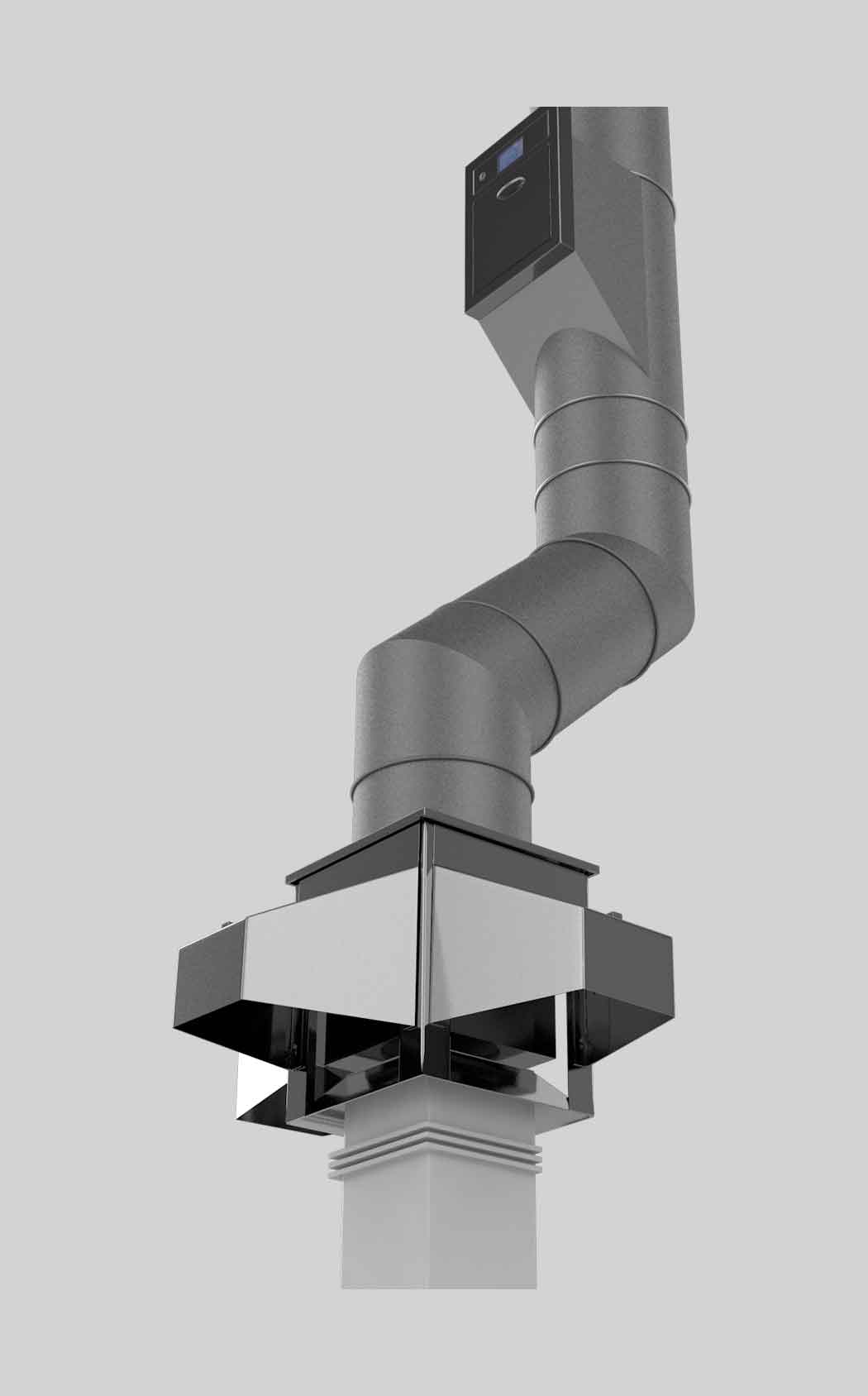
Another major advantage is the move toward more advanced waste handling. Waste infrastructure is no longer limited to a single-stream disposal function. Modern systems are increasingly connected to better sorting logic, cleaner system performance, and more sustainable waste outcomes. The focus on multi-waste segregation logic and the broader ecosystem of waste handling equipment reflects this change. Instead of simply transporting waste, chute systems are becoming part of a smarter approach to managing how waste is handled inside buildings.
One of the strongest reasons this transformation is practical is retrofit potential. Not every building needs a completely new system in order to become smarter. Many existing buildings already have functioning waste infrastructure, but that infrastructure lacks visibility, analytics, and intelligent oversight. Through system integration and retrofits, conventional waste chutes can be upgraded into smart, connected systems without major building disruption. That makes the shift toward smarter infrastructure far more achievable for existing assets, not just new developments.
This retrofit approach becomes even more useful when combined with wider operational support. CHAB’s service ecosystem includes installation, design, consultation, and servicing, while ongoing performance can be supported through maintenance services. This shows that smart waste systems are not only about advanced technology, but also about the physical infrastructure and support services that keep those systems reliable over time. Better performance comes from combining strong chute infrastructure with intelligent monitoring and proper upkeep.
Maintenance is one of the areas where smarter systems create immediate value. In traditional buildings, servicing often happens after complaints or obvious issues appear. With more visible and better-monitored infrastructure, maintenance becomes more informed and more strategic. Options such as annual maintenance contracts, on-demand rectification, and broader system upgrade support help extend asset life and reduce unnecessary disruption. In that sense, data does not replace maintenance. It makes maintenance more effective.

There is also a wider sustainability dimension to this evolution. Smarter waste systems support cleaner operations, better segregation, and more measurable environmental performance. On the CHG side, smart waste systems linked to ESG application are associated with recycling, energy efficiency, compliance advantage, and improved sustainability outcomes. This makes waste infrastructure relevant not only to daily operations, but also to the broader goals of modern asset management.
Ultimately, the move from disposal to data reflects a larger shift in how buildings are evaluated. Waste systems are no longer being judged only by whether they move waste efficiently. They are increasingly valued for whether they provide visibility, support hygiene, strengthen maintenance planning, improve safety, and contribute to measurable building performance. That is why smart chute systems are transforming modern buildings. They do not simply carry waste from one point to another. They help turn a hidden process into something more intelligent, more interactive, and far more valuable.